Extremely low levels of the compound in marijuana known as delta-9-tetrahydrocannabinol, or THC, may slow or halt the progression of Alzheimer's disease, a recent study from neuroscientists at the University of South Florida shows.
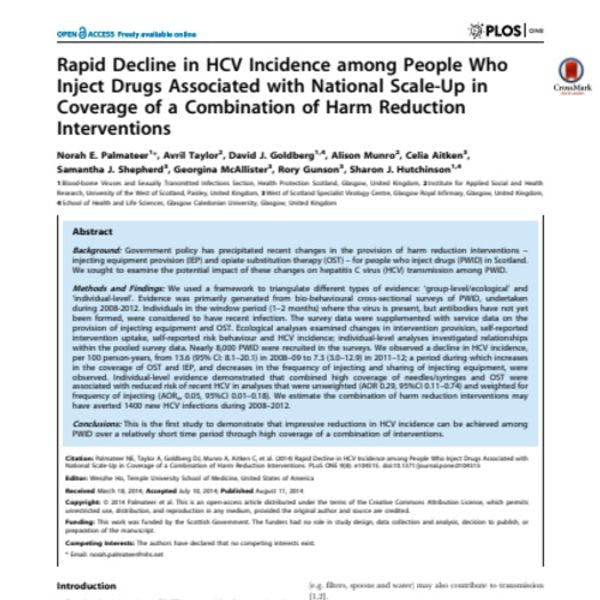
A combination of needle exchange, methadone maintenance and a shift away from injecting meant that between 2008 and 2012, 1000 fewer Scottish injectors had to face chronic infection with the potentially deadly hepatitis C virus.
This paper provides an overview of what is known about medicinal cannabis use in Australia, the current state of the scientific and medical evidence for its use, and problems with the current situation in Australia.
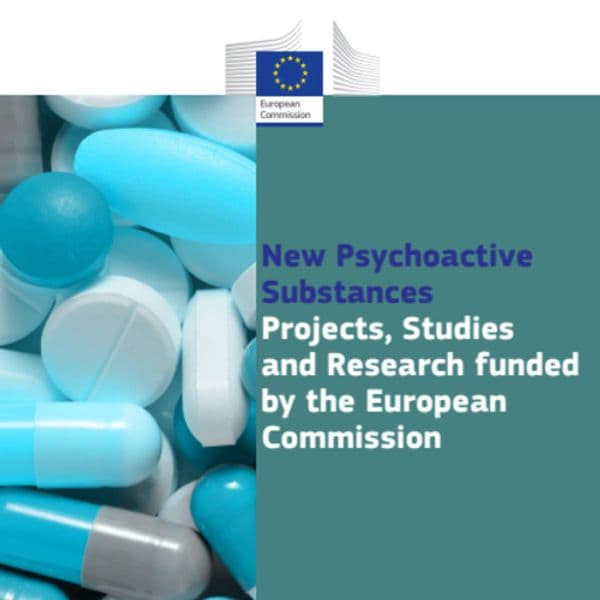
The purpose of this document is to map out the available research, disseminate the results and encourage the development of evidence-based policies on new psychoactive substances.
Ending the AIDS epidemic entails reducing new HIV infections, stigma and discrimination experienced by people living with HIV and key populations, and AIDS-related deaths by 90% compared to 2010 levels.