The increased focus on health and human rights in the UNGASS outcome document is welcome, but as long as the dominantly courts-and-cops approach to fighting drugs continues, the toll from the fight will far outweigh the damage from the drugs themselves.
The UNGASS outcome document does not seem to suggest countries will be better placed to reduce the health, social and economic problems associated with illicit drug markets.
A mother who lost her child to drugs and now campaigns to end the global drug war, inspired the Canadian Health Minister to call for humane drug policies.
President Enrique Pena Nieto said Mexico will move to legalize marijuana for medicinal use following public pressure in favour of a public health approach.
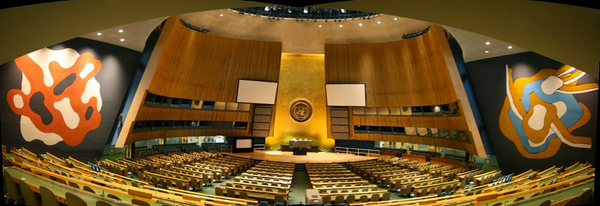
The first U.N. special session to address global drug policy in nearly 20 years bristled with tension Tuesday over the use of the death penalty for drug-related offenses.
Switzerland and other countries, such as Portugal and Uruguay, have implemented policies that are people-centred, focused on health and most importantly, keeping people alive -- all while respecting human rights.
The criminalization of a public health issue has created huge and complex obstacles for people motivated to eliminate their drug dependence to seek or obtain necessary health care and support.
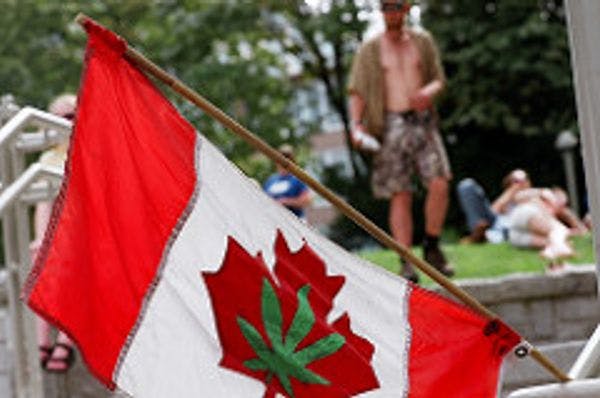
It is time for Canada to exercise the often ignored flexibility contained within these treaties, and move forward with the legalization and regulation of cannabis.