The EECA statement argues that the currently alarming epidemiologic situation and an envisioned decrease in funding, might affect the sustainability of the positive results worldwide in combating AIDS, and less effective implementation of the new global target: to end HIV by 2030.
As heroin deaths rise in the UK, the Advisory Council on the Misuse of Drugs has suggested a wide range of measres including opiate substitution therapy and supervised injecting rooms.
The EMCDDA met to discuss how the Council conclusions on the implementation of minimum quality standards in drug demand reduction in the EU can relate to projects at national, European and international level.
Scotland has witnessed a dramatic increase in overdose deaths and HIV infections among injecting drug users. in response, policy-makers in Glasgow are reported to be considering a proposal to open the first supervised injection site. David Liddell explains the current situation.
This week, UNAIDS met with partners to discuss ‘fast-tracking’ the international HIV response. In the sidelines, Harm Reduction International, is ringing the alarm bells for people who inject drugs, who are being left behind in global efforts to end AIDS by 2030.
Hopeful piece about drug use, harm reduction, and civil society initiatives in Afghanistan, where capacity to help users is lacking and sometimes hindered by the national drug agency.
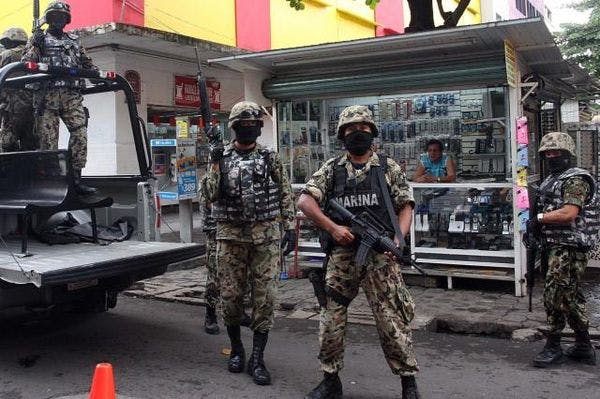
Felipe Calderón launched the war after being elected in 2006, and since then the US has donated at least $1.5bn – but the biggest costs have been human.
A new study in Lancet Global Health reveals that opioid-dependent individuals in compulsory drug treatment were significantly more likely to relapse to opioid use after release than opioid-dependent individuals receiving methadone in voluntary treatment centres.