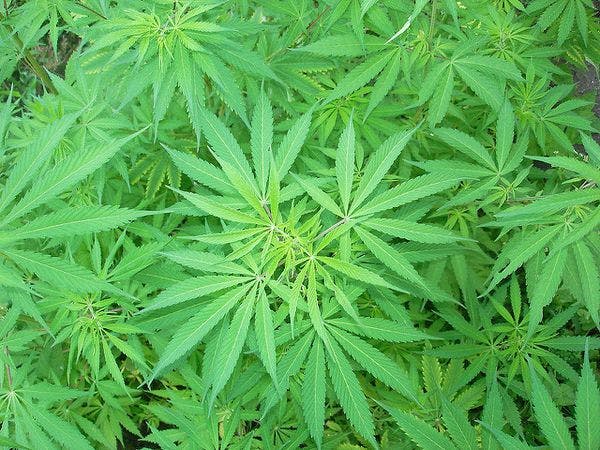
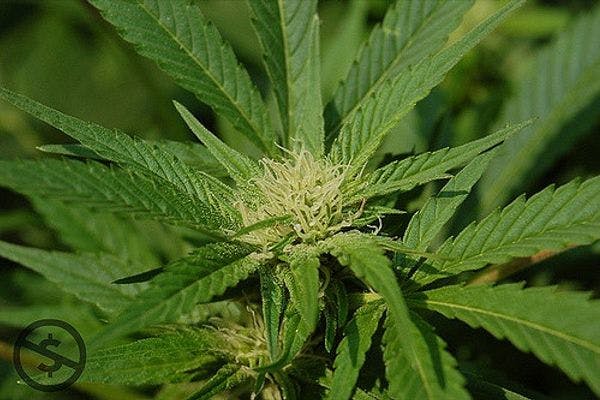
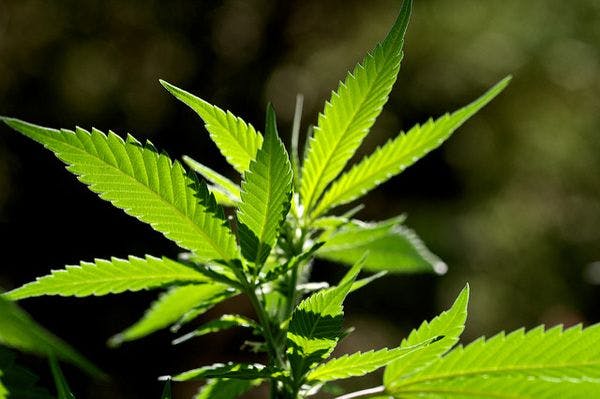
Promessa de campanha do Partido Liberal do Canadá, legalização da cannabis pode acontecer em julho do ano que vem. O uso recreativo ainda é proibido do país.
South Africa makes a landmark step towards cannabis decriminalisation with the High Court declaring that it is an infringement to ban the use of cannabis by adults in private homes.
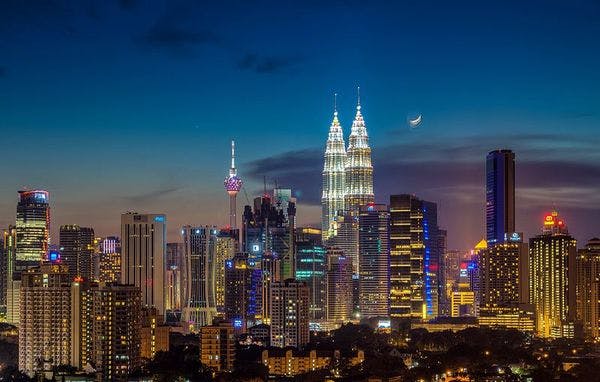
The country’s cabinet took the decision after a review of the country’s drug legislation and the recommendations of attorney general Mohamed Apandi Ali.
An expert panel of doctors will commence work drafting guidelines to facilitate the prescription and supply of medicinal cannabis to qualifying patients.
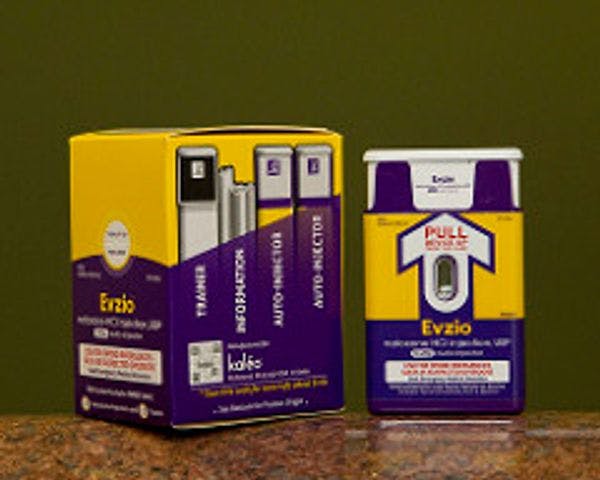
Though naloxone is often seen as the latest development in emergency drug care, it has been available over the counter in Italy since 1996. What can we learn from their experience?
Argentina has approved a bill legalising cannabis oil for medicinal use and permitting the federal government to grow cannabis for research and therapeutic purposes.
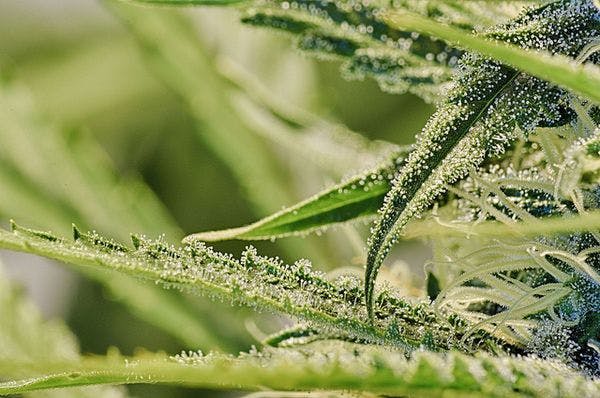
As highly dangerous synthetic cannabinoids enter the market, regulating less harmful herbal cannabis could provide a method of reducing their consumption.