The Robert Carr Fund for civil society networks invites global and regional networks and consortia of networks to apply for a grant to support core funding and/or activity needs of the networks and/or consortia for up to three years (2019-2021).
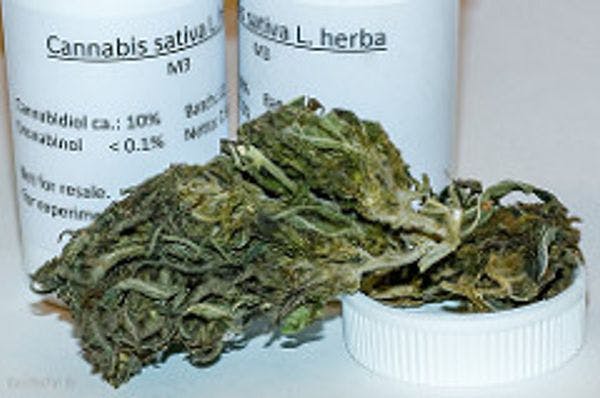
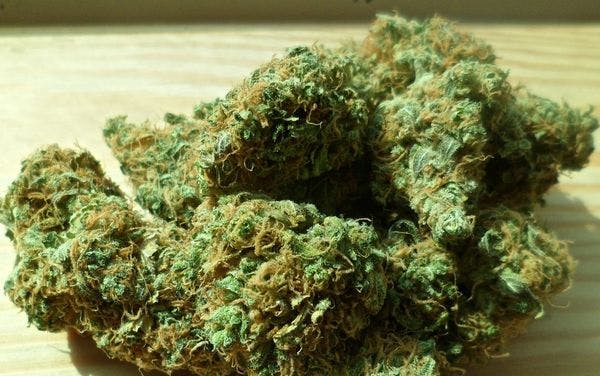
After the confiscation of Billy Caldwell's cannabis oil, Home Office minister Nick Hurd will create a panel to provide advice to government on cannabis related prescriptions which could serve as a pathway to medical legalisation.
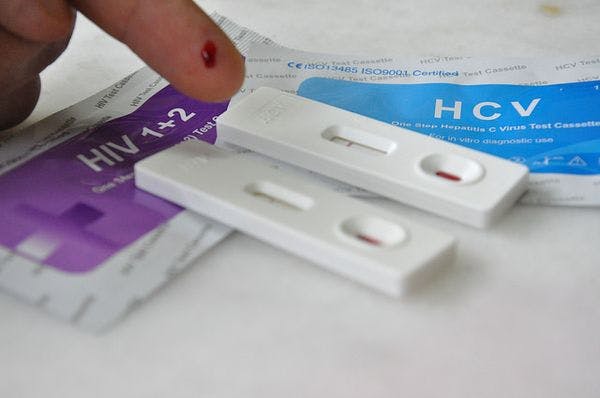
While progress has been made in the global fights against HIV/AIDS, countries still struggle to treat the epidemic due to a lack of care and education within communities.
Harm Reduction Journal invites you to submit to a special collection of the journal on: the “Involvement & Engagement of Peers in Research”, to be launched at the 26th Harm Reduction International Conference in Porto, 28 April – 1 May 2019.
Portugal has approved the use of medical marijuana with a prescription through a pharmacy, becoming the most recent country to allow access to cannabis.
In addition to collective quantitative data and statistics, researchers in the United States are now multi-disciplinary aspects such as field work in their attempts to solve and eradicate the opioid crisis in the United States.
High ranking narcotics official Lennart Karlsson calls for more investment in treatment centers with a decrease in fines in order to assist drug users.
Former Assistant Commissioner Jack Nolan calls for the decriminalisation of small amounts of illicit drugs as drug policies continue to fail and unfairly punish Ireland's youth.