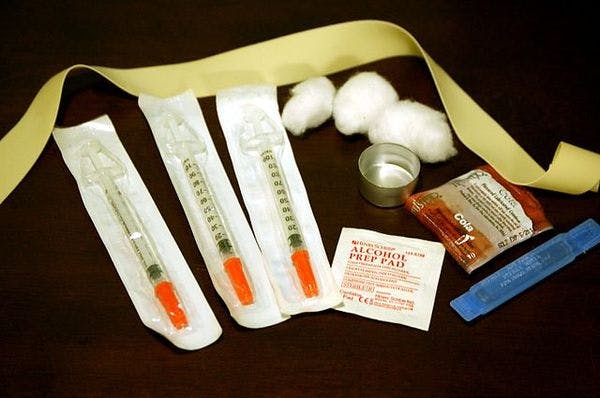
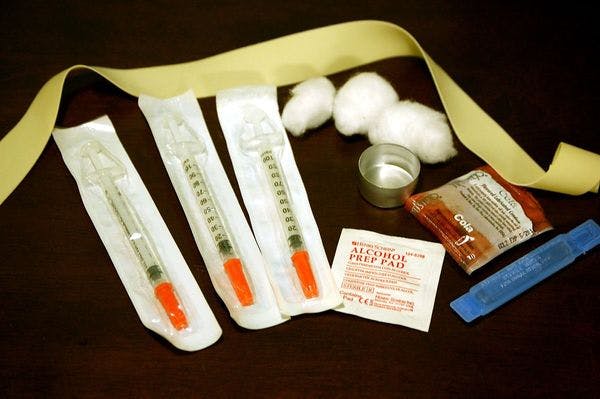
People who inject drugs or have injected drugs at some point in the past continue to represent 40–50% of newly reported HIV diagnoses across Eastern Europe and central Asian region.
The alarming increase in the incarceration rate of Thai women is pushing many Thai officials and legislators, behind closed doors, to reexamine the country’s fifty year war on drugs.
This comes in the wake of last year’s Constitutional Court ruling, in which the court found that the ban on the use and possession of cannabis in private was unconstitutional.
The Robert Carr Fund (RCF) is seeking expressions of interest from individuals who are available to volunteer time to review funding proposals in October and November 2019.
With the needles and syringe programme in Durban closed by the local authorities since May 2018, the services in Port Elisabeth are also facing difficulties now.
There is a unique opportunity, before the USA legalises medical cannabis at the federal level, to build a regulatory framework that prevents this market from being concentrated amongst large for-profit conglomerates.